
A GitHub IPTV playlist is a free M3U file that someone has uploaded to a public GitHub repository, containing a list of channel links you can load into an IPTV player. People search for these because they promise free access to live TV channels without paying a subscription, but most of these playlists are unreliable, unlicensed, and gone within weeks of being posted.
[ez-toc]
What Exactly Is a GitHub IPTV Playlist
GitHub is a platform built for developers to store and share code, not television channels. Somewhere along the way, people started uploading M3U and M3U8 files there because GitHub offers free file hosting with a direct raw link, which happens to work the same way any other playlist URL works inside an IPTV player.
So when someone talks about a GitHub IPTV playlist, they mean a text file sitting in a public repository that lists stream URLs, channel names, and sometimes logos, formatted so that apps like VLC, TiviMate, or IPTV Smarters Pro can read it and display a channel list. The appeal is obvious. It costs nothing, there’s no signup, and you just paste a link into your player.
Why People Search for a GitHub IPTV Playlist in the First Place
Most people land on this topic after getting frustrated with a paid service that stopped working, or after seeing a forum post claiming a certain repository has “500+ working channels for free.” The promise of free live TV is powerful, and GitHub’s reputation as a legitimate developer tool makes the whole thing feel more trustworthy than it actually is.
The reality is a lot messier. A GitHub IPTV playlist is usually scraped from other sources, uploaded without permission from any broadcaster, and maintained by whoever felt like doing it that week. There’s no support line, no guarantee the channels still work tomorrow, and no accountability if the stream disappears mid match.
How a GitHub IPTV Playlist Actually Works Behind the Scenes
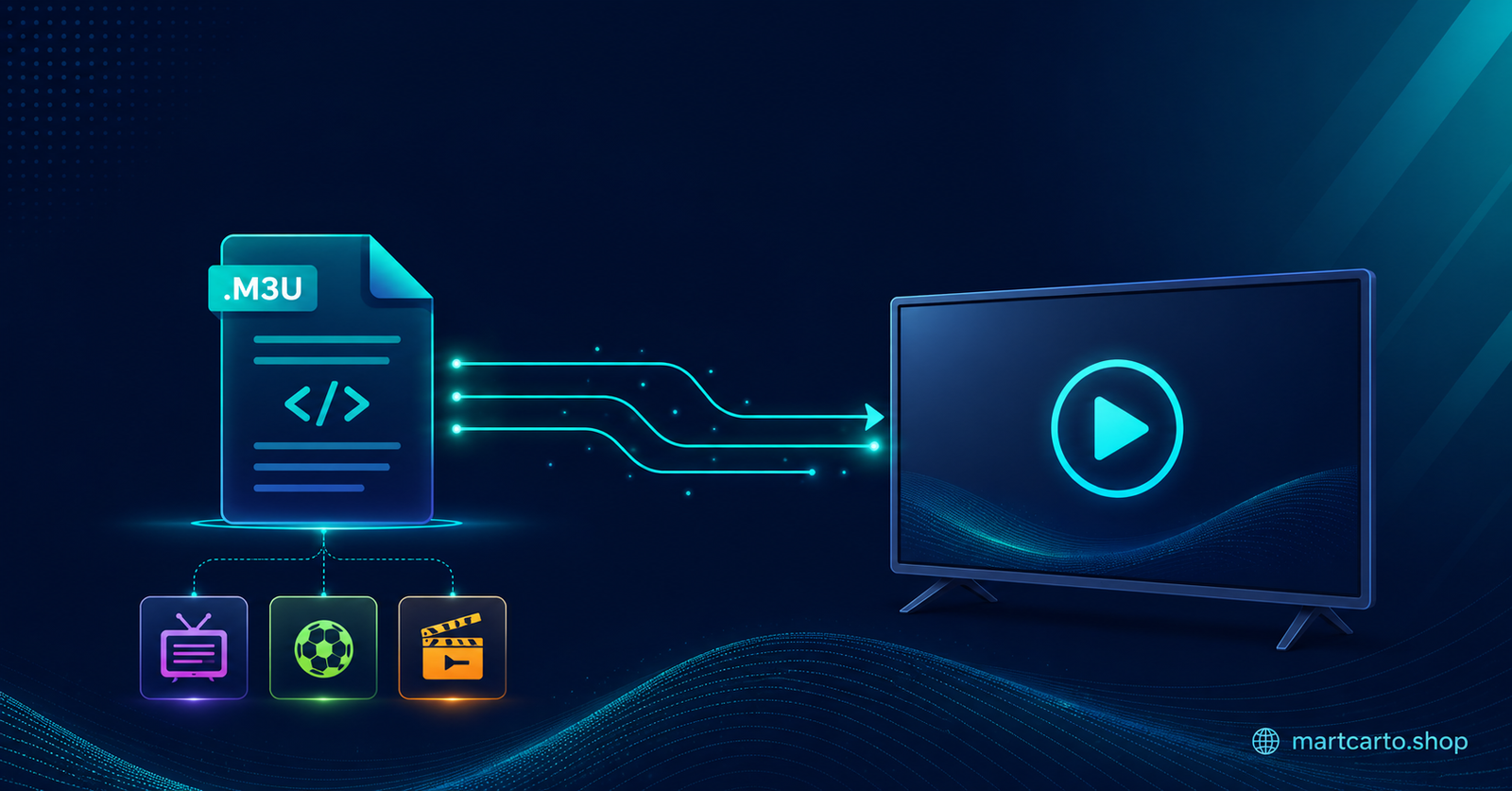
Every playlist file follows the same basic structure. Each entry has a channel name, a logo URL, a group category, and a stream link. Your IPTV player reads that file top to bottom and builds a channel guide out of it. Nothing about the format is unusual, it’s the exact same M3U structure that licensed IPTV reseller panel use.
The difference is entirely about the source of the streams themselves. A paid reseller panel pulls its feeds from licensed upstream providers with server infrastructure built to handle thousands of concurrent viewers. A random GitHub IPTV playlist is often pointing to a single unofficial restream, sometimes even someone’s home connection, which means it buckles the moment more than a handful of people tune in at once.
The Real Risks of Using a Random GitHub IPTV Playlist
Before relying on any free list, it’s worth being honest about what you’re actually getting into.
- Uptime is unpredictable. Public repositories get abandoned constantly. A list that worked last month can be completely dead today, with no warning and no fix coming.
- Stream quality is inconsistent. You might get 480p on one channel and a frozen frame on the next, because there’s no quality control standard being applied to what gets uploaded.
- Malware and phishing links do appear. Not every repository is malicious, but some playlists have been used to redirect users toward suspicious apps or ad-heavy landing pages disguised as “players.”
- Legal grey area. Many of the streams bundled into a typical GitHub IPTV playlist are unlicensed rebroadcasts of channels the uploader has no rights to distribute. Downloading the file itself isn’t usually the issue, but using it to watch content that’s being redistributed without permission sits in a legal grey zone that varies by country, and repositories hosting clearly infringing content do get taken down by GitHub itself.
We’d rather be upfront about that than pretend it doesn’t matter. If reliability and legitimacy matter to you, this is the point where most people start looking at a proper IPTV reseller panel instead.
Pro Tip: If you’re testing any playlist, whether free or paid, always run it through VLC first before loading it into a full IPTV app. VLC shows you instantly whether a stream link is even alive, saving you from configuring an entire app around a dead file.
GitHub IPTV Playlist vs a Licensed Reseller Panel
| Factor | GitHub IPTV Playlist | Licensed Reseller Panel |
|---|---|---|
| Cost | Free | Paid, credit-based |
| Uptime | Unpredictable, often abandoned | 99%+ with monitored servers |
| Support | None | 24/7 WhatsApp or ticket support |
| Stream Source | Unofficial, often scraped | Licensed upstream feeds |
| Longevity | Days to weeks | Ongoing, renewable |
Why Free Playlists Struggle to Stay Online
There’s a pattern that repeats across almost every repository hosting a GitHub IPTV playlist. Someone builds it, shares it on Reddit or a forum, it gets a wave of traffic, and within days the underlying streams get flagged or the source shuts the feed down entirely. The uploader often doesn’t maintain it long term because there’s no financial incentive to keep fixing broken links for strangers.
Compare that to how a paid panel operates. A buy IPTV credits UK service exists because there’s a business behind it with a reason to keep the infrastructure running, monitor server load during peak events, and swap in backup feeds the moment something drops. That structural difference is really the whole story here, free lists are a hobby project, paid panels are a business with uptime as the product.
Setting Up an IPTV Player With Any Playlist Source
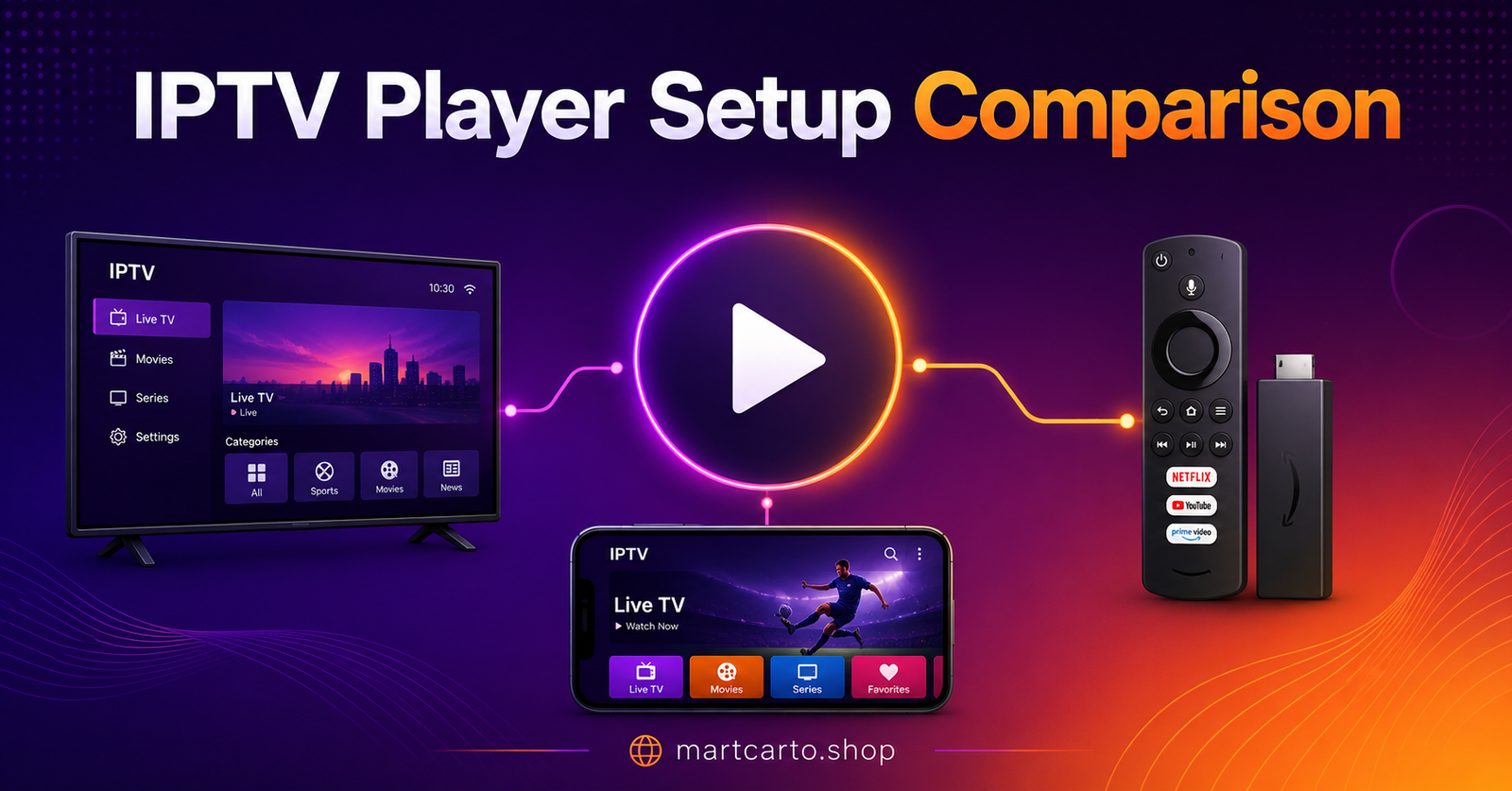
Whether you’re testing a free file or a paid subscription, the setup process on your end looks the same. You’ll need an app like TiviMate, IPTV Smarters Pro, or the built in player on your Smart TV. From there you enter either an M3U URL directly, or Xtream Codes login details if your provider uses that format instead.
Fire Stick users generally get the smoothest experience with TiviMate because it’s built to handle large channel lists without choking, something the native Smart TV apps on older Samsung and LG models genuinely struggle with once a playlist crosses a few thousand entries. If you’ve ever loaded a huge list and had your TV’s built in app freeze or lag, that’s almost always the app failing to parse the file size, not your internet connection.
Pro Tip: Keep a backup player installed even if your main one works fine. If a playlist update ever breaks compatibility with one app, having a second app ready means you’re not stuck waiting to fix it before your next match or show starts.
What a Trustworthy Alternative Actually Looks Like
If the unpredictability of a free GitHub IPTV playlist has worn you down, the next logical step is looking at how licensed reseller panels are structured differently. Providers such as britishseller.co.uk are one example among several UK focused IPTV Reseller panels that operate on a credit system, where you pay for stream access tied to real upstream licensing agreements rather than a scraped file someone uploaded once and forgot about.
The practical difference shows up the moment something goes wrong. With a free playlist, a dead channel is just dead, there’s nobody to message. With a proper IPTV reseller panel, support teams typically respond within 30 minutes during UK and EU hours, and server side monitoring means most buffering issues get caught before you even notice them.
How This Affects Subscribers, Resellers, and Sub-Resellers
For Subscribers
If you’re just trying to watch TV without the technical hassle, a GitHub IPTV playlist might work for a weekend before it dies. If consistent access matters, especially around big sporting weekends or new release schedules, a paid subscription through a maintained panel avoids the constant troubleshooting cycle.
For Resellers
Anyone building a business around IPTV access cannot rely on free repositories. Customers pay for reliability, and a dead free playlist reflects directly on your reputation, not GitHub’s. This is exactly why serious resellers move toward credit based panels with documented uptime and dedicated support.
For Sub-Resellers
If you’re managing a downline of your own customers, the stakes are even higher, because a single unreliable feed can cascade into complaints across your entire customer base at once. Sub-resellers benefit most from panels offering Mini Admin access, where server stability is handled upstream and you’re not left explaining a GitHub repository going dark to a customer who just wants their sports package to work on Saturday night.
Comparing GitHub Playlists Against Related IPTV Use Cases
A GitHub IPTV playlist rarely comes with the kind of structure serious households need. If your household includes movie collectors who want a properly organized VOD library, our guide on IPTV for movie collectors breaks down what a maintained library actually looks like compared to a scattered free list.
Families managing what younger viewers can access should also look at our IPTV parental controls breakdown, since free playlists almost never include filtering options of any kind.
Frequently Asked Questions
Is a GitHub IPTV playlist legal to use?
Downloading the file itself generally isn’t the legal issue, the concern is that many of the streams listed inside these files are unlicensed rebroadcasts of channels the uploader doesn’t have rights to distribute. This sits in a legal grey area that varies depending on your country, and it’s worth being cautious rather than assuming it’s automatically fine.
Why do GitHub IPTV playlists stop working so quickly?
Most are maintained by individuals with no financial stake in keeping them online. Once the underlying stream source gets flagged or shut down, there’s usually nobody actively fixing it, so the file just sits there listing dead links.
Can I use a GitHub IPTV playlist with TiviMate or IPTV Smarters Pro?
Yes, technically any M3U formatted file will load into those apps the same way a paid playlist would. The app itself doesn’t distinguish between a free repository link and a licensed one, the difference is entirely in reliability and legality of the source.
Is it safe to download files from these repositories?
Most public repositories are harmless text files, but some have been used to bundle suspicious links or redirect users toward unofficial apps. Stick to well known repositories with visible community activity, and avoid anything asking you to install a separate app just to view the list.
What’s a more reliable alternative to a free GitHub IPTV playlist?
A licensed, credit based IPTV reseller panel offers monitored uptime, dedicated support, and streams tied to actual licensing agreements rather than scraped feeds. It costs money, but the trade off is a service that’s actually maintained.
Conclusion
A GitHub IPTV playlist can seem like an easy way to get free live TV, but the pattern is consistent across almost every repository, they work for a short window before going dark, with no support and real questions around where the streams actually come from. For anyone who wants something they can actually depend on, whether that’s a household watching casually or a reseller building a real customer base, a properly licensed panel with monitored servers and dedicated support ends up being the far more practical route in 2026.
Subscriber Checklist
- Test any free playlist in VLC before committing to a full app setup
- Keep a backup IPTV player installed in case one breaks
- Avoid entering payment or personal details on unofficial playlist sites
- Consider a licensed panel if you want reliability for sports or new releases
Reseller Checklist
- Never build a customer base around free, unmaintained playlists
- Choose a credit based panel with documented uptime
- Confirm support response times before committing to a supplier
- Set clear expectations with customers about stream reliability
Sub-Reseller Checklist
- Prioritize panels offering Mini Admin access for downline management
- Monitor server stability reports before onboarding new sub-accounts
- Keep a direct support contact for escalations during peak hours
- Avoid stacking your downline on any single unverified stream source